Cornhole Champion Dayton Webber Charged with Murder: A Shocking Downfall
The world of professional cornhole, a sport typically associated with friendly competition and backyard leisure, has been rocked by news of an unprecedented and tragic event. Dayton James Webber, a celebrated professional cornhole player whose story of overcoming physical adversity inspired many, now faces grave charges of murder. The arrest of the 27-year-old quadruple amputee has sent shockwaves through both the sports community and the general public, drawing a stark contrast between his remarkable athletic achievements and the serious allegations against him.
Authorities in Charles County, Maryland, have confirmed that Webber is implicated in the fatal shooting of his friend, Bradrick Michael Wells, also 27, following an argument in La Plata. What began as a dispute inside a car allegedly escalated into a deadly act, culminating in the discovery of Wells' body and Webber's subsequent arrest in Virginia. This article delves into the details of the incident, explores Webber's extraordinary past, and considers the broader implications of this shocking development.
The Tragic Events Unfold: What Happened That Fateful Night?
The incident that led to Dayton James Webber's murder charges reportedly occurred late Sunday night in La Plata, Maryland. According to the Charles County Sheriff's Office, Webber was driving a vehicle along Radio Station Road with Bradrick Michael Wells in the front passenger seat and two other individuals in the back. An argument erupted between Webber and Wells, the exact nature of which remains undisclosed by authorities.
In a horrifying turn, the dispute allegedly culminated with Webber shooting Wells. The back-seat passengers recounted to authorities that Webber then pulled over near Radio Station Road and Llano Drive, requesting their assistance in removing the victim's body from the car. They reportedly refused and exited the vehicle, leaving Webber to flee the scene with Wells' body still inside.
The two passengers immediately flagged down La Plata police officers, alerting them to the shooting. Investigators launched an intensive search, which led to a grim discovery nearly two hours later. A resident in Charlotte Hall, Maryland, some distance from the shooting site, called 911 to report finding a body in their yard. Officers responded and tragically pronounced Bradrick Michael Wells dead at the scene.
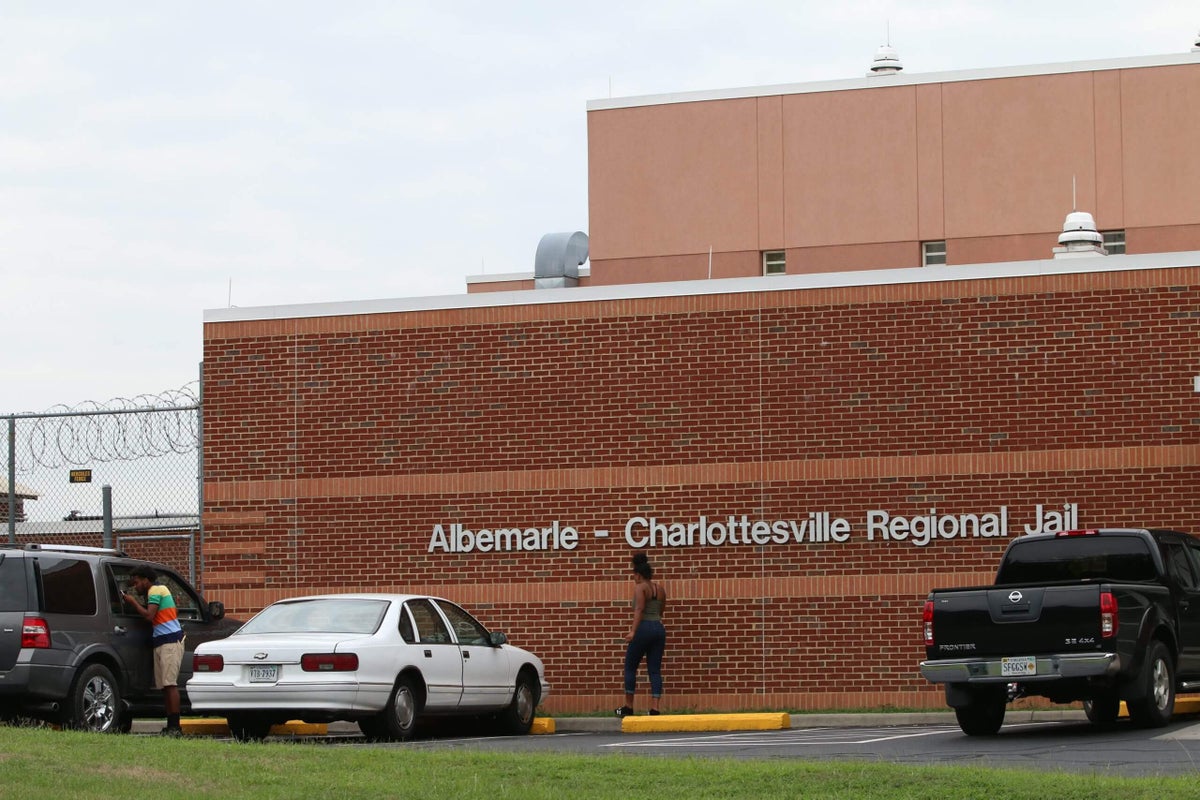
The manhunt for Webber extended across state lines. Later that night, investigators received a crucial call from authorities in Charlottesville, Virginia – more than 100 miles from where Wells' body was found. Webber's car had been recovered there, and Webber himself was found seeking treatment at a local hospital for an undisclosed medical issue. Upon his release from the hospital, Albemarle County officers apprehended him. Dayton James Webber is currently in custody in Virginia, awaiting extradition back to Charles County, where he faces first-degree murder charges.
This sequence of events paints a chilling picture of an argument spiraling into a devastating tragedy, leaving behind a profound sense of loss and disbelief.
Dayton Webber's Unprecedented Journey: A Life Defined by Overcoming Odds
Before the recent charges cast a long shadow, Dayton James Webber was widely known for his inspiring resilience and remarkable athletic prowess. Born a quadruple amputee at just 10 months old, Webber faced challenges that would deter most, yet he approached life with an indomitable spirit and a passion for sports.
From a young age, Webber defied expectations. News outlets profiled him when he was just 11, highlighting his unwavering desire to participate in activities like wrestling, playing video games, riding dirt bikes, and even football, despite his physical disability. His story resonated deeply, making him a symbol of perseverance and the power of the human spirit to overcome.
As an adult, Webber channeled his athletic drive into the competitive world of cornhole. He rose through the ranks, becoming a champion player and a member of the prestigious American Cornhole League (ACL) for the past four years. His skill on the boards, often performing with specialized prosthetics or adapting his technique, captivated audiences and further solidified his status as an inspirational figure. The sight of Dayton Webber, a quadruple amputee cornhole star, dominating the sport was a powerful testament to his dedication and ability.
However, recent revelations have also brought to light aspects of Webber's online presence that now take on a different context. One particular social media video titled "No hands, no feet shooting 9 mm handgun" showcases his ability to handle and fire a firearm despite his condition. While intended to demonstrate his versatility and defiance of limitations, this video now becomes a point of significant interest for investigators and the public, especially in light of the shooting allegations. The contrast between his public image as an inspirational athlete and the gravity of the current charges is stark and deeply unsettling.
Navigating the Legal Labyrinth: Charges, Extradition, and the Road Ahead
The legal process for Dayton James Webber is just beginning, and it promises to be complex. He is expected to be charged with first-degree murder upon his extradition to Charles County, Maryland. First-degree murder charges in Maryland typically signify a premeditated killing, or one committed during the commission of a felony. The details provided by the Charles County Sheriff's Office—specifically the nature of the argument and the alleged act of dumping the body—will be crucial in determining the exact legal strategy employed by both the prosecution and Webber's defense team.
The immediate step is extradition from Virginia to Maryland. This process involves legal procedures to formally transfer custody of a suspect from one jurisdiction to another. Once in Maryland, Webber will undergo formal arraignment, where the charges will be officially read, and he will enter a plea. Given the seriousness of the allegations, bail is unlikely to be granted, or it will be set at an extremely high amount.
A key aspect of the defense will undoubtedly involve understanding the nature of the argument between Webber and Wells. Was there provocation? What exactly transpired that led to the shooting? The testimony of the two back-seat passengers will be central to the prosecution's case, as they are the primary witnesses to the immediate aftermath of the alleged shooting. Furthermore, the "No hands, no feet shooting 9 mm handgun" video, while not directly related to the alleged crime itself, could be used by the prosecution to establish Webber's familiarity and proficiency with firearms despite his disability, potentially counteracting any defense arguments related to physical limitations in handling a weapon during the incident. For more in-depth information on the legal proceedings, you can refer to Dayton Webber Murder Case: Latest Updates on Pro Cornhole Player's Arrest.
It's important to remember that in the U.S. legal system, Webber is presumed innocent until proven guilty beyond a reasonable doubt. The road ahead involves extensive investigation, evidence gathering, legal filings, and eventually, a trial, unless a plea agreement is reached.
Beyond the Boards: The Broader Impact on the Cornhole Community and Public Perception
The charges against Dayton James Webber have reverberated far beyond the confines of the courtroom and the local Maryland community. They have cast a shadow over the sport of cornhole and raised profound questions about public perception, disability, and the nature of human behavior.
Impact on the American Cornhole League and the Sport
The American Cornhole League (ACL), which counts Webber as a member, now faces the delicate task of navigating this controversy. While individual actions do not reflect on an entire sport, such a high-profile case involving a well-known player can inevitably lead to scrutiny. The league, which has seen immense growth in popularity, relies on its image as a family-friendly and accessible sport. News like this, especially when it involves a figure who previously represented inspiration and achievement against odds, can momentarily disrupt that image.
For many fans and fellow players, the news has been deeply disheartening. Webber was not just another competitor; he was a narrative of triumph. His journey embodied the spirit of overcoming physical barriers to achieve greatness. This alleged act of violence fundamentally clashes with the positive, uplifting story that the cornhole community had come to associate with him.
Revisiting Narratives of Disability and Success
Dayton Webber's story was a powerful testament to the idea that disability does not equate to inability. He demonstrated exceptional skill and determination, competing at an elite level. This case, however, introduces a complex layer to that narrative. It reminds us that while physical ability or disability can shape experiences, it does not determine character or moral choices. The shock stems not just from the alleged crime itself, but from its jarring contrast with the public persona of an inspirational figure.
The existence of Webber's social media video showcasing his ability to fire a handgun despite his amputations adds another dimension. While it initially served as proof of his incredible adaptability, in the context of murder charges, it raises questions about the responsible use of such capabilities and the public display of skills that can be weaponized. It prompts a re-evaluation of how society celebrates abilities and the potential unforeseen implications.
Conflict, Consequences, and Public Scrutiny: Lessons from a Tragic Event
The alleged actions of Dayton James Webber serve as a stark reminder of the devastating consequences that can arise from escalating conflicts. While the specific details of the argument remain private, the outcome is a loss of life and a profound disruption for all involved.
The Importance of De-escalation and Conflict Resolution
This tragedy underscores the critical importance of effective conflict resolution and de-escalation techniques. Arguments, especially among friends, can sometimes become heated, but there are always alternatives to violence. Recognizing warning signs, stepping away from contentious situations, and seeking external help or mediation are crucial steps to prevent disputes from turning deadly. It highlights how quickly an ordinary disagreement can take a fatal turn when emotions override reason and access to weapons is present.
Navigating Public Scrutiny and Media Responsibility
The case of Dayton James Webber will undoubtedly attract significant public and media attention. It combines elements of a compelling human-interest story with the shocking reality of alleged violent crime. For the media, the responsibility lies in reporting facts accurately, respectfully, and without sensationalism, while upholding the principle of presumed innocence. For the public, it means grappling with complex emotions and resisting the urge to jump to conclusions, allowing the legal process to unfold.
Ultimately, the story of Dayton James Webber is a complex and deeply saddening one. It forces us to confront the intricate interplay of human potential, personal struggles, and the profound impact of choices made in moments of conflict. As the legal proceedings commence, the world watches, trying to reconcile the image of an inspirational athlete with the grave accusations of murder.